Monasha Font Review: Elegant Script for Designers
If you are searching for a typeface that balances organic flow with digital precision, Monasha is a standout choice. As a premium Script Handwritten font, it captures the natural rhythm of pen-on-paper writing while offering the technical reliability modern designers require. Whether you are looking for a Monasha free download to test its capabilities or planning to purchase a full license, understanding its unique characteristics is essential. This review explores why this typeface has become a go-to resource for creatives seeking authentic, high-quality typography.
Introduction — What is Monasha?
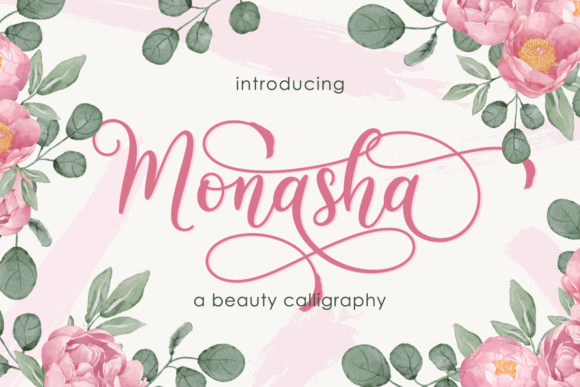
Monasha is an elegant and flowing handwritten font designed to bring warmth and personality to digital projects. Unlike rigid mechanical scripts, it features a varying baseline and smooth lines that mimic the subtle imperfections of human handwriting. For those interested in a Monasha font download, the immediate appeal lies in its PUA encoding. This technical feature allows users to access all glyphs and swashes with ease, transforming standard text into custom calligraphy without needing advanced graphic design skills. It stands out in the crowded market of Script Handwritten fonts by offering both aesthetic beauty and functional versatility.
Design & Style Analysis
The visual personality of Monasha is defined by its graceful curves and consistent stroke width. It feels approachable yet sophisticated, making it suitable for a wide range of emotional tones, from romantic to professional.
Letterforms and Swashes
The letterforms are crafted with generous loops and connecting strokes that ensure legibility even at smaller sizes. The included swashes add decorative flair, allowing designers to create unique logos or headers. This attention to detail makes it a superior choice compared to basic free Script Handwritten font for Fonts libraries that often lack these nuanced alternatives.
Weight and Spacing
Monasha maintains a medium weight that ensures visibility against various backgrounds. The spacing is optimized to prevent letters from tangling, a common issue in connected scripts. This balance makes it a reliable professional Fonts font for both print and digital media.
Best Uses for Monasha
Versatility is key when selecting a typeface. Here is how Monasha performs across different design applications.
Monasha for Logo Design
Because of its unique glyph variations, Monasha is excellent for Monasha for logo design. Brands in the lifestyle, beauty, and boutique sectors can use it to convey elegance and personal touch. The ability to toggle swashes means no two logos need look exactly alike.
Monasha for Wedding Invitations
The romantic flow of the script makes it ideal for Monasha for wedding invitations/cards/typography. It pairs beautifully with floral elements and soft color palettes, creating an inviting and celebratory tone for special events.
Monasha for Branding and Packaging
For product-based businesses, Monasha for branding offers a handcrafted feel that resonates with consumers. It works exceptionally well on Monasha for posters/social media/packaging, adding a human element to mass-produced items. Whether used on a coffee bag label or an Instagram story, it commands attention.
Font Pairing & Combinations
Knowing what fonts pair well with Monasha is crucial for creating balanced compositions. Since Monasha is a decorative script, it requires clean, neutral partners to avoid visual clutter.
A classic Monasha font pairing involves combining it with a geometric sans-serif like Montserrat or Lato. The stark contrast between the organic curves of Monasha and the rigid structure of a sans-serif creates a modern, chic aesthetic. Alternatively, pairing it with a high-contrast serif can evoke a more traditional, editorial look. When exploring best font combinations with Monasha, always prioritize readability by keeping the secondary font simple and understated.
Licensing & Commercial Use
Before integrating any typeface into client work, understanding the legal framework is vital. Many designers ask, "is Monasha free for commercial use?" The answer depends on the specific license acquired. While you may find a download Monasha font free version for personal testing, commercial projects typically require a paid license.
Always check the Monasha font license terms provided by the creator. Personal use licenses generally allow for non-monetary projects, such as birthday cards or school assignments. However, for Monasha commercial use—such as selling products, creating client logos, or running ads—you must purchase the appropriate commercial license. This ensures you support the designer and protect your business from legal issues.
How to Download & Use Monasha
Getting started with this typeface is straightforward. You can often find a Monasha free download option on reputable font repositories like DaFont or FontSquirrel for personal evaluation. For full commercial rights, platforms like CreativeFabrica or the designer’s official store are recommended.
Once installed, using the font is seamless across major software. If you are wondering how to use Monasha in Canva/Word/Photoshop, the process is standard: install the .otf or .ttf file on your system, restart your application, and select Monasha from the font list. In Photoshop, you can easily access the PUA-encoded swashes via the Glyphs panel, allowing for real-time customization without leaving your workspace.
Designer Notes & Tips
To get the most out of this typeface, consider these practical tips. First, always test your design in black and white before adding color. This helps you focus on the structural integrity of the premium Script Handwritten font and ensures the spacing is correct. Second, be mindful of size; while Monasha is legible, extremely small text may lose its intricate details.
When conducting a Monasha vs similar font comparison, note that Monasha offers superior connectivity and a more natural baseline variation than many competitors. This reduces the need for manual kerning adjustments, saving time during the design process. By leveraging its built-in alternates, you can create dynamic typography that feels bespoke and tailored to your specific project needs.