Cutie Unicorn Font for Editorial Design
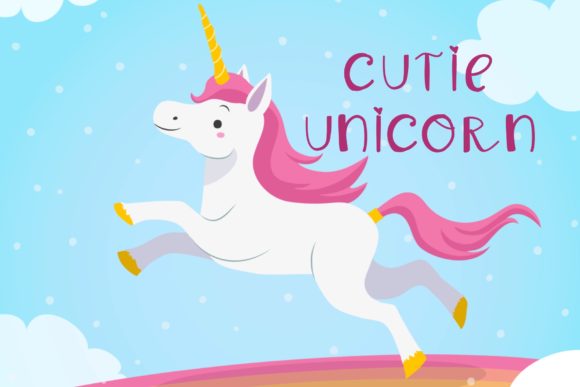
The cursor hovered over the header of my latest lifestyle blog redesign, waiting for a typeface that could bridge the gap between professional polish and genuine warmth. I needed something that felt human, not algorithmic. That is when I discovered Cutie Unicorn, a script handwritten font that immediately shifted the mood of the entire layout from sterile to inviting. In the world of digital publishing, where attention spans are short and visual noise is high, choosing the right fonts is not just an aesthetic decision; it is a strategic one. This adorable quirky handwritten font adds an incredibly joyful touch to designs, transforming static pages into experiences that readers want to linger on.
Creating Joyful Headers with Cutie Unicorn Script
When building a content layout, the header is the handshake. It sets the tone before a single word of body copy is read. Cutie Unicorn excels in this role because its rhythm mimics natural handwriting without sacrificing legibility. As a script handwritten typeface, it carries a playful energy that feels authentic rather than forced. I tested it on a series of article titles for a wellness newsletter, and the difference was immediate. The letters flow into one another with a casual elegance, making each headline feel like a personal note rather than a corporate announcement. For bloggers and publishers, this distinction is vital. It helps build a connection with the audience, suggesting that there is a real person behind the screen. The font’s quirky nature allows it to stand out in crowded social media feeds or email inboxes, acting as a visual hook that draws the eye in.
Designing Beautiful Stationary Art and Printables
Beyond digital screens, Cutie Unicorn shines in the realm of physical and printable goods. The product description notes its suitability for beautiful stationary art, and this holds true in practice. I used the font to design a set of printable planners and gratitude journals, where the text needed to feel encouraging and soft. In these contexts, the font acts as more than just information; it becomes part of the emotional experience of the product. Whether you are creating wedding guides, coaching workbooks, or recipe ebooks, the playful style of Cutie Unicorn adds a layer of charm that standard serif or sans serif fonts often lack. It works particularly well for cover text and chapter openers, where the goal is to evoke a specific mood. The handwritten aesthetic suggests care and craftsmanship, which increases the perceived value of digital downloads and print-on-demand items. For independent creators selling on platforms like Etsy or Shopify, this font can help differentiate their brand identity in a saturated market.
Pairing Cutie Unicorn with Clean Body Fonts
While Cutie Unicorn is stunning for display purposes, effective editorial design requires balance. A script handwritten font should rarely be used for long-form body copy, as its decorative nature can reduce readability over extended passages. Instead, it thrives when paired with a clean, neutral counterpart. In my recent project, I paired Cutie Unicorn with a lightweight sans serif font for the main text. This combination created a clear visual hierarchy: the playful font captured attention for titles and pull quotes, while the simple sans serif ensured that the article remained easy to read on mobile devices and tablets. Another effective pairing is with a classic serif font, which adds a touch of traditional authority to the whimsical headers. This contrast is essential for maintaining professional standards while injecting personality. When designing magazine layouts or course PDFs, remember that whitespace is your friend. Give Cutie Unicorn room to breathe around the edges, allowing its quirky loops and tails to enhance the composition without cluttering the page.
Enhancing Brand Identity with Playful Typography
Consistency is the cornerstone of strong brand identity, and Cutie Unicorn offers a versatile tool for maintaining that consistency across various touchpoints. From newsletter graphics to social media posts, using the same distinctive font helps readers instantly recognize your content. The joyful touch it brings to designs can become a signature element of your visual language. For example, a cooking blog might use Cutie Unicorn for recipe titles to convey the fun and creativity of the kitchen, while a parenting coach might use it to soften the tone of serious advice. The key is to use it strategically. Reserve it for elements that need emphasis or emotional resonance, such as call-to-action buttons, testimonials, or section dividers. By limiting its use to high-impact areas, you preserve its novelty and ensure it continues to delight rather than overwhelm. This approach aligns with modern typography trends that favor minimalism accented by unique, character-rich details.
Technical Considerations for Digital and Print Use
Before integrating Cutie Unicorn into your workflow, it is important to consider the technical aspects of font usage. As with any premium font, check the licensing agreement to ensure it covers your intended use, whether that is commercial client work, ebook distribution, or template creation. Verify the file formats provided, ensuring compatibility with your design software, such as Adobe InDesign, Canva, or Microsoft Word. Additionally, test the font at various sizes. While Cutie Unicorn is highly legible for a script font, extremely small sizes may cause the finer details of the handwritten style to blur, especially on lower-resolution screens. For web design, consider using web-font formats to ensure crisp rendering across different browsers and devices. If the font includes alternates or ligatures, experiment with them to add variety to repeated words or phrases, preventing the design from looking too uniform. These small adjustments can significantly enhance the professional quality of your final output.
In conclusion, Cutie Unicorn is more than just a set of characters; it is a design asset that brings personality and joy to editorial projects. Whether you are redesigning a blog, creating a printable planner, or crafting a digital magazine, this script handwritten font offers the perfect blend of playfulness and professionalism. By pairing it thoughtfully with complementary typefaces and using it strategically for headers and accents, you can create a reading experience that is both visually engaging and emotionally resonant. Fall in love with its playful style, and let it transform your next design project into something truly memorable.